SYS-01 / lightIn the room
AtmosphereSartorial Silence
Accent—
Surface—
001▲
EXPERIENCE ARCHITECTURE · TEMPORAL DESIGN SYSTEMS
 hro·mo·lo·gi·um
Where matter becomes interface.
- 1.
- An independent archive translating the physical◈ knowledge of making into digital design — from hand-ground lampblack to living screen tokens.
- 2.
- A working studio for studying how interfaces respond to diurnal time◈, optical friction, and physical materiality◈ across the archive’s visual movements.
MATERIAL STUDY / 001LIGHT / PIGMENT / FORM
THE CHROMATIC ASSEMBLY
A little light. A different material.
Paper, pigment, a fine brass axis.
Explore light & surfaceExplore the logo’s curved form.
Ribbon layers assembled into the Chromologium mark. Ambient light restored.THE WORKING LOOP / 01—04
Keep the reason with the result.
In plain terms: start with a reference, test a decision, and leave with an editable study you can reopen or export.
- 01OBSERVEFind a material with a history.Trace a place, practice, or surface before you style it.
- 02TESTTry one principle in motion.Change light, type, space, and response in a working specimen.
- 03RECORDName the choice and why it matters.Keep your rationale beside the interface it shaped.
- 04CARRY FORWARDLeave with something you can use.Reopen, compare, export, or hand the study to your team.
INDEX · CHAMBER I · SPECIMEN ARCHIVE
I
The Chromatarium
OKLCH Architectural Paint Chips & Design Tokens
The pigment wall / 10 systems
Find a surface that feels like you.
Lift a sample. Catch the light.
See what a little color can change.
SYS-02 / lightArchive specimen
Glass Garden
SYS-03 / lightArchive specimen
Warm Minimal
SYS-04 / lightArchive specimen
Cybernetic Terminal
SYS-05 / lightArchive specimen
Swiss Brutalism
SYS-06 / lightArchive specimen
Kyoto Urushi
SYS-07 / lightArchive specimen
Scriptorium Vellum
SYS-08 / lightArchive specimen
Apollo Avionics
SYS-09 / lightArchive specimen
Song Celadon
SYS-10 / lightArchive specimen
Risograph Ephemera
Two samples / one light
A place to compare.
Place a sample here
Choose Compare on a card,or drag its Compare handle here.
Place a sample here
Choose Compare on a card,or drag its Compare handle here.
Same light. Different surfaces. Move or tap above; use arrow keys when focused.
0 of 2 comparison places filled.
Your own formulationMake room for
Make room for
something new.
Mix a color of your own. Keep its recipe on your ring, or let it become the room.
Solar Ochre
Bespoke Alchemy
AAA16.8:1
Aa Xx 00HERO HEX#D4A74A
RECIPEBESPOKE-01
BESPOKE-01 · BESPOKE RECIPEBESPOKE ALCHEMY
GENERATED TOKENS:
--ds-accent: #d4a74a;
--ds-bg-primary: #faf8f5;
--ds-fg-primary: #14120f;
--ds-fg-muted: #756f66;
WIDE GAMUT & P3 TELEMETRY:
Solar Ochre
sRGB StandardOKLCH FORMULATION:
oklch(0.752 0.122 82.987)P3 CODE SNIPPET:
color(display-p3 0.845 0.605 0.284)CURATOR'S NOTE:
“Bespoke formulation created live by the visitor. Ready to be clipped onto your personal Swatch Ring or exported as production design tokens.”
CURATOR FIELD SLIP · BATCH 0I
Before an interface is formed, it begins with pigment and light. This chamber displays 20 light and dark paint formulations across 10 systems. Inspect physical finish sheens (Velvet Matte, Eggshell, High Gloss Lacquer), flip each chip to explore its recipe formula, and clip your favorite samples to your personal swatch ring.
CHAPTER 02
What are you making room for?
Bring a brief to the desk. We’ll lay out a few materials to try.
Suggested for your brief
Typographic hierarchy and quieter surfaces give long passages room to breathe.
A starting point for your brief, not a measured ranking.
On the desk / SYS-01
FIELDNOTESVolume 01 / Material culture
ESSAY / 6 MIN READ
The quiet life of a material.
A surface remembers the light that falls upon it. An archive begins by paying attention.
SYS-01 · Midnight Editorial / light
CHAPTER 03
Follow your curiosity into the laboratory.
Four ways in. Ten working instruments. Start with one small experiment.
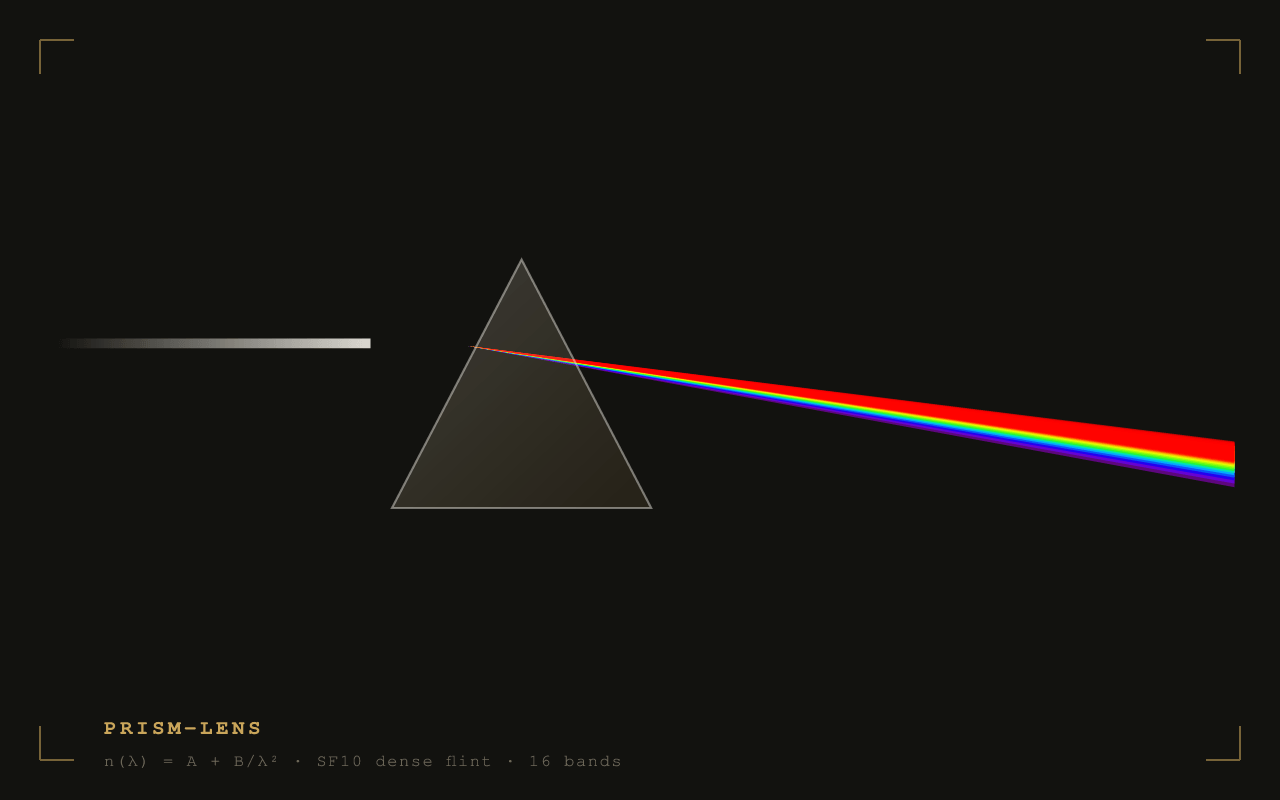
The light desk
Catch a little of the spectrum.
Move across the prism to redirect the light.
Open the full instrumentCHAPTER 04
A color is never alone.
Put your material in context. Then feel its response and hear a single note.
01 / Observe
Same pigment. A different ground.
INK
PAPER
3.56:1 on ink
#8A65204.74:1 on paperWCAG luminance contrast of the selected pigment against each ground. The sample itself does not change color.
02 / Feel
A little resistance.
03 / Hear
A note for this material.
110.00 Hz · the system’s assigned tone. Sound plays only when requested.
CHAPTER 05
Let the material become an interface.
Same words. Same tasks. A different way to experience them.
FIELDNOTESVolume 01 / Material culture
ESSAY / 6 MIN READ
The quiet life of a material.
A surface remembers the light that falls upon it. An archive begins by paying attention.
SYS-01 · Midnight Editorial / light
An interactive interface specimen with demonstration content. Your chosen surface, type, and spacing are real.
CHAPTER 06
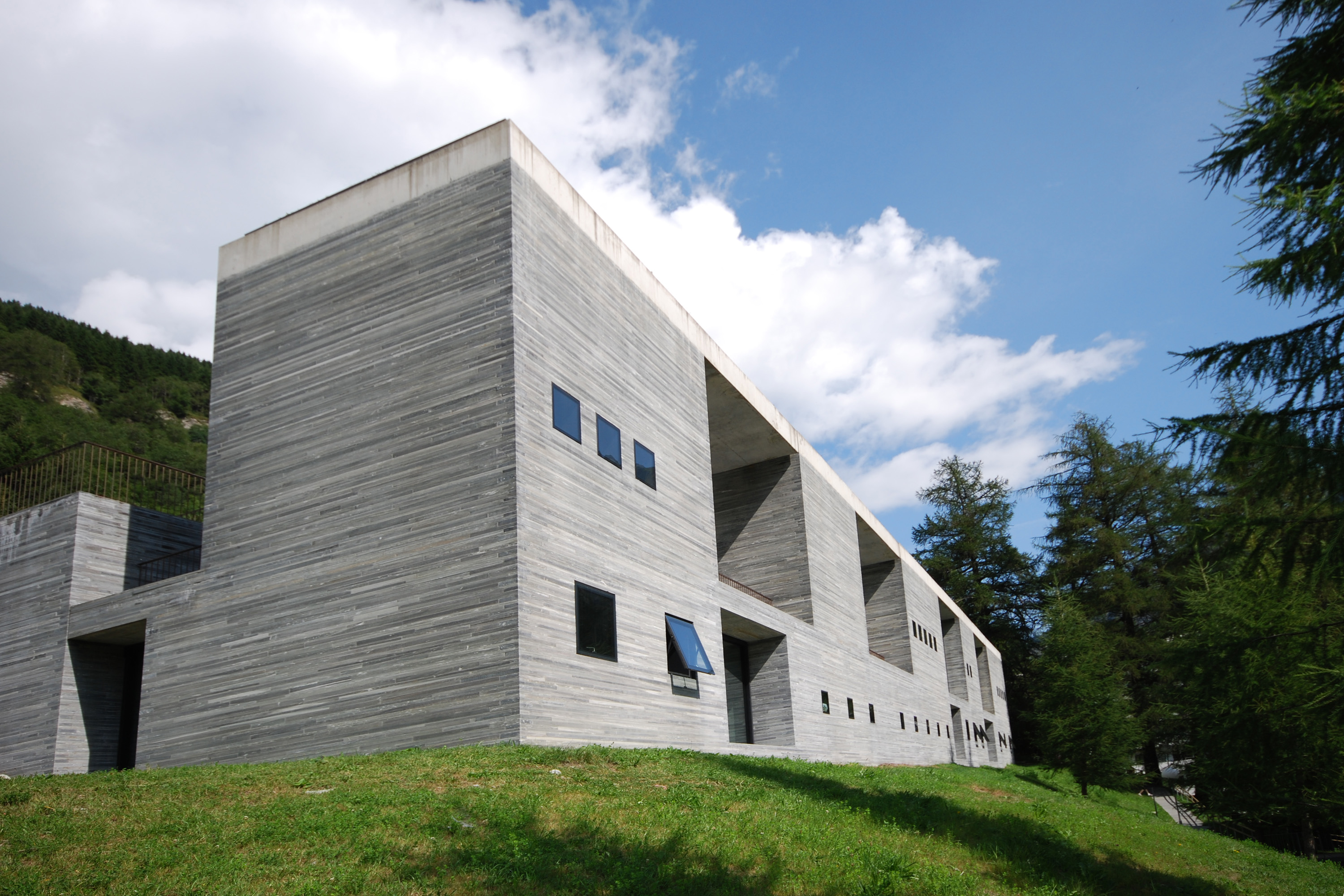
There is a story behind the surface.
Open a volume. Trace a material. Find the word you were looking for.
CHAPTER 07
A few notes before you take it away.
Answers at the desk, with the full reference index close at hand.
What am I looking at in this material?
Midnight Editorial is the light formulation of SYS-01. The hero pigment is #8a6520, with a chalk emulsion finish. The card brings the surface, text, and accent colors together; choosing one keeps that formulation on the desk as you explore.
How does this palette handle legibility?
The primary text and background in this formulation have a computed WCAG luminance contrast of 18.13:1. This measures that pair only. The interface proof lets you inspect the wider composition; individual text sizes, states, and other color pairings still need their own checks.
Explore contrast in the perception laboratory →What can I use in my own project?
Collect the formulations you like on your ring, then download their CSS variables or structured JSON at the packing desk below. You can also take a static HTML specimen of your selected interface, or install a working instrument from the component registry.
Go to the packing desk →What is measured, modeled, or interpreted?
Contrast values shown here are computed from the displayed color pair. Laboratory notes identify simplified models and browser measurements where they appear. Material ancestors, atmosphere, and sensory character are authored interpretations: they are references for design, not measurements of a historical object.
Read the curatorial method →Browse the full reference index
The reference index
Follow a question into the archive.
Topic: Color Science & OKLCH Mathematical Uniformity2 Core Inquiries
CHAPTER 08
Take a little of the archive with you.
Your materials, neatly packed for the next thing you make.
Your ring / 2 formulationsReturn to the paint wall
Aureolin GoldBrushed mineral · satin
SYS-01 · Midnight EditorialdarkViridian GlazeGlazed pigment · eggshell
SYS-02 · Glass GardenlightPacking slip / 2 enclosed
Colors with their names attached.
Exact color values from your collected formulations, ready to copy or download.
Material study / editable recordHUMAN + AGENT
- Intent
- A place to read · Stories, essays, thoughtful detail
- Reference
- Cast Bell Bronze & Oxidized Patina · Renaissance foundry, Padua (c. 1500)
- Decision
- Midnight Editorial (Light) · editorial · comfortable spacing
- Response
- System kinetics retained
Interpretation Authored material reference. It informs this digital system; it is not a physical measurement of the named object.
Also on your deskMidnight Editorial / editorial
A standalone HTML specimen of your current interface view, with its palette and spacing. A static study with local font fallbacks.
Set a frontispiece for sharingFor your codebase or your agent
◈ OPEN ENDPOINTS · MIT
Put the archive to work
Install a working instrument in your project, or connect an agent to the archive’s materials, calculations, and references.
COMPONENT REGISTRY
Install an instrument
shadcn-compatible registry items. The optical engine, the dispersion prism, the Kubelka–Munk bath, the material plate — copied into your repo, not added as a dependency.
npx shadcn@latest add https://chromologium.com/r/material-plate.jsonArrives with 32 catalogued specimens — Carrara marble at n 1.56, scatter 0.65, patina 0.08/century.
Browse the registry →MODEL CONTEXT PROTOCOL
Give an agent the archive
A live MCP server. Ask it what a material does to light, mix two archival pigments with real Kubelka–Munk scattering, audit a colour pair against APCA, or get a citation.
claude mcp add --transport http chromologium https://chromologium.com/mcp23 tools, 11 resources, 6 prompts. mix_pigments(Aureolin Gold, Klein Blue) returns #0a4672 — paint, not the #656a81 an RGB average would give you.
Every client, configured →