FIELD NOTES / MOZ / Eastern Africa
Mozambique
Stone, macuti & island streets.
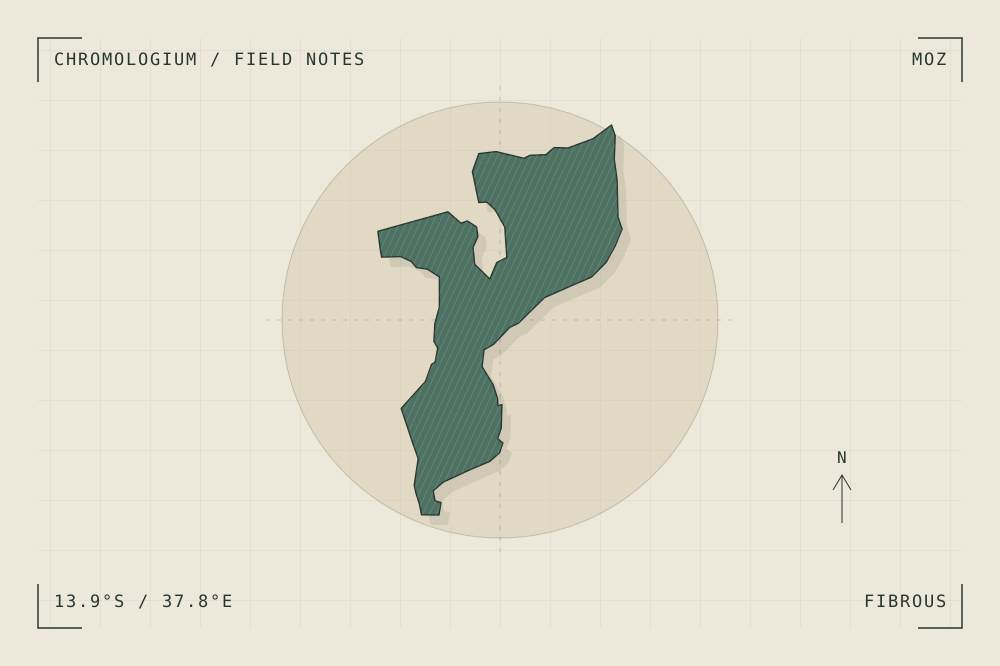
START WITH A PLACE
Island of Mozambique
The Island of Mozambique’s townscape reflects long continuity in construction methods and materials, including stone and macuti. Its architecture is bound to the island’s role in Indian Ocean trade and colonial history.
Read the source UNESCO World Heritage CentreA CLOSER LOOK
A study in grain and rhythm.
Compare the weight of a stone enclosure with a lighter roof surface. Follow how repeated construction choices connect separate buildings into a townscape.
An editorial observation prompt, grounded in the reference above.
WORKING COLOUR
A palette to begin with.
Five editorial tones for this surface family. Use them as a starting point for a study; they are not measured samples from the site.
Fibre paper#ece9dboklch(0.933 0.019 96.873)
Cut straw#c5b08aoklch(0.766 0.057 82.249)
Forest shade#4d7162oklch(0.517 0.048 166.710)
Thread ochre#bd8453oklch(0.660 0.096 60.682)
Grain ink#283630oklch(0.318 0.021 166.943)